

Introduction
Azelaic acid (AzA) is a non-phenolic straight-chain saturated dicarboxylic acid, having a molecular weight of 188.22 Da. AzA occurs naturally in grains like wheat, rye and barley; also being a metabolic byproduct of Malasezzia furfur, a yeast present in human skin.1 Due to the presence of two carboxyl groups, AzA dissociates as a weak acid in acqueous solutions, and has good cutaneous permeation.2
Indications and contraindications
This is represented in table 1.
Table 1. Indications and contraindications of azelaic acid peels
| Indications | Contraindications |
|---|---|
| − Rosacea | − Known hypersensitivity to azelaic acid or peel vehicle. |
| − Acne vulgaris | − Active infections or wounds at the site of the peel. |
| − Melasma | − Patients who are uncooperative, unreliable or having unrealistic expectations. |
| − Post-inflammatory hyperpigmentation | − Patients who constantly pick on acne lesions. |
| − Androgenetic alopecia | |
| − Alopecia areata |
Acne vulgaris (AV)
AzA in AV acts in a multi-factorial manner. The effects of AzA for the same can be broadly classified as:
- – Bacteriostatic effects,
- – Anti-keratin effects, and
- – Anti-inflammatory effects; all of which act in perfect synchrony.
BACTERIOSTATIC EFFECTS
This is described in figure 1.3 Due to its broad-spectrum anti-bacterial mechanisms, the chances of producing bacterial resistance are minimal with AzA.
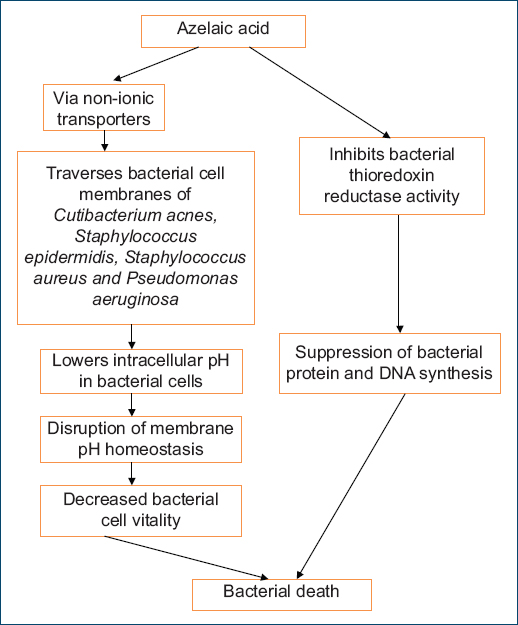
Figure 1. Mechanism of bacteriostatic effects by azelaic acid.
ANTI-KERATIN EFFECTS
The anti-keratin effects of AzA are dose and time dependant. AzA exhibits mild anti-keratinizing activity that is reversible with treatment cessation. Figure 2 describes this in detail.4–6 Additionally, AzA reversibly antagonizes the synthesis of keratinocyte DNA, RNA, and proteins, preventing their proliferation, thereby helping decrease terminal differentiation of keratinocytes. By doing so, AzA prevents pilosebaceous ductal proliferation, indirectly minimizing bacterial colonization and formation of comedones.4
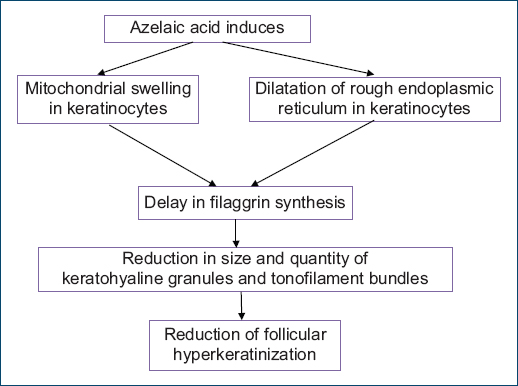
Figure 2. Anti-keratinizing effects of azelaic acid.
ANTI-INFLAMMATORY EFFECTS
By blocking toll-like receptor 2 (TLR-2) activity, AzA delineates anti-inflammatory effects in acne; similar to rosacea.7 Besides, AzA possesses anti-melanogenic activity, because of which it proves beneficial for post-acne pigmentation. Details of anti-melanogenic effects relating to AzA is represented in figure 3.8,9
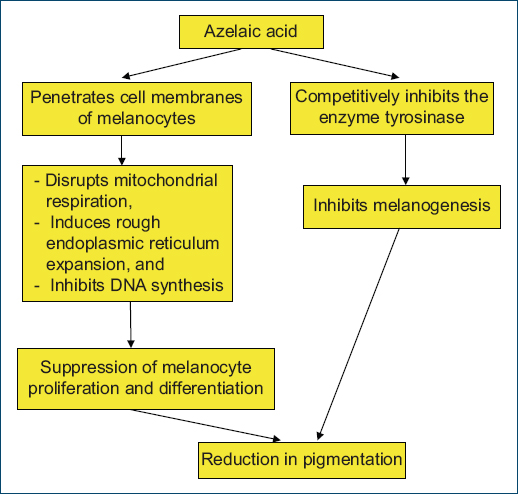
Figure 3. Anti-melanogenic effects of azelaic acid.
AzA peels in acne are used at concentrations of 16%, 20%, and 30%. The 16% peel is used as a leave-on peel, which, after application of 2 coats, is left to dry and form a matte; washed after 6–8 h at home, with a cotton swab dipped in cold water.10 The 20% and 30% peels, on the contrary, are applied for 10 min, and then washed off.11–14 Peeling sessions administered every fortnightly for 6–8 sessions are sufficient to achieve satisfactory outcomes, following which maintenance peels are employed as per the clinician’s discretion, to maintain the therapeutic effects.11–14 AzA peels are beneficial for both inflammatory and non-inflammatory lesions, with conclusive results witnessed after the third peeling session. Following the 4th session, significant amelioration of lesions is witnessed.11 Additionally, AzA promotes a noteworthy reduction in the amount of secreted sebum. Due to this depletion, the environment for bacterial growth is unfavorable, potentiating the anti-acne effects of AzA.15 Similar to AzA, pyruvic acid (PA) peels reduce the severity of seborrhea. However, AzA peels lack the drying, sudden burning, and erythema observed with PA. With AzA peeling, discomfort is more of tingling and pinching, rather than sudden burning; and the erythema produced resolves spontaneously in less than an hour. Besides, no exfoliation is seen with AzA, which, with PA lasts for 7–10 days post-peeling, thus making AzA a better choice than PA.14,16
Similarly, SA, like AzA, possesses sebostatic effects and is highly effective for comedonal, papular, and pustular acne. The sebosuppressive effects of SA occur primarily via down-regulation of AMPK/SREBP1 signaling pathway. Down-regulation of SREBP1 expression results in reduced expression of target enzymes, fatty acid synthase and cyclooxygenase-2, with eventual reduction of sebum secretion.15,17 Interestingly, AzA (20%) and SA (20%) peels have been used in combination for AV, with significant improvement after the second peel session; with improvement being more marked for inflammatory lesions. Superior responses in this setting are explained by the keratolytic and anti-inflammatory action of SA that enables better penetration of AzA into the pilosebaceous follicles, thereby elucidating superior bacteriostatic and anti-keratin effects. Further, due to the tyrosinase blocking property of AzA, a noticeable reduction of post-acne pigmentation also results. In cases where acne is unresponsive to monopeeling, this appears to be a suitable concoction.18
To note, a triple combination peel comprising AzA, SA, and lactic acid (LA) is highly effective in AV, actively utilizing the propitious effects of each peel; decribed in table 2.4,12,16,19–28 Commercial preparations contain this combination in various strengths: AzA (10–20%), SA (2–20%), and LA (3–12.6%).
Table 2. Synergism exhibited by AzA, SA, and LA peels for acne
| Chemical peel | Effects outlined |
|---|---|
| AzA peel | − Competitive inhibition of mitochondrial oxido-reductases and 5a reductase, and prevents conversion of testosterone to dihydrotestosterone, thereby exerting anti-androgenic and sebostatic effects.19− Sebostatic effects of AzA are long term by regulation of sebaceous glands.12− Anti-keratinizing effects by inhibiting ATP synthesis and attenuating ATP-dependent kinases, such as the fibroblast growth factor receptor 2b signaling cascade.4− Reduction of filaggrin in the granular cell layer.4− Potent inhibitory effect on tyrosinase, blocking conversion of tyrosine to dopamine (DOPA), and its subsequent product, DOPA-quinone, with reduction of melanocytes in damaged skin.20− Reduction of expression of kallikrein-5 and AMP, reducing pro-inflammatory cytokines; as well as decreasing IL-1, IL-6, TNFα, and ROS, thereby providing anti-inflammatory and anti-pigmenting effects.21 |
| SA peel | − Regulates sebum secretion.16− Dissolves intercellular cement, causing keratinocyte desquamation.22− Extracts desmosomal proteins, including desmogleins, leading to loss of cohesion between corneocytes, and promoting exfoliation.22− Although the horny layer of the skin is thinned out following SA use, there is no change in the overall epidermal thickness.23,24− Anti-inflammatory effects of SA particularly benefit papular and pustular acne.16− Besides, acne associated with hyperpigmentation is also benefited with SA, as SA lowers melanin levels and tyrosinase activity in normal epidermal melanocytes.25 |
| LA peel | − Has good keratolytic properties, helping unclog skin pores, thereby enhancing penetration and efficacy of SA and AzA.26− By facilitating epidermal desquamation, LA promotes keratinocyte turnover. This improves skin texture (including fine rhytides) and brightness.27− Inhibits activity of tyrosinase in a dose-dependent manner, helping reduce pigmentation.28 |
|
TNF-α: tumor necrosis factor-alpha; IL-1: interleukin-1; AzA: azelaic acid; SA: salicylic acid; LA: lactic acid. |
|
In a study, where AzA (20%) peel was compared with kojic acid (KA, 12%), LA (90%), mandelic acid (MA, 35%) and black peel (8% acetic acid); advocating 2 weekly peeling sessions for 12 weeks; it was observed that overall reduction of acne lesions (which included, comedones, papules and pustules) was maximum for black peel (72.4%), followed by AzA peel (60.45%), MA peel (50.1%), LA peel (35.2%) and KA peel (24.1%). Besides, the side effect profile of AzA peel was better in comparison to black peel, further strengthening its position in the management of AV.13
Moreover, AzA peels can be safely instituted in pregnant and lactating mothers, because it lacks mutagenicity, teratogenicity, and acute/chronic toxicities, and is particularly beneficial for oily and hyperpigmented skin.29,30
MELASMA
AzA is an effective and safe alternative to hydroquinone for treating melasma.31 AzA elucidates its effects in melasma by its anti-melanogenic properties; depicted in figure 3.8,9
On literature search, the use of AzA peels in melasma was identified in two studies.32,33
The first was a split-face study on 10 patients, comparing 30% AzA peeling (5 fortnightly sessions, as a leave-on peel for 4 h), with tranexemic acid (TXA) solution (2 mL of 4 mg/mL, applied followed by microneedling at a depth of 0.5 mm; washed after 24 h). Both therapeutic modalities were effective in improving MASI scores after the end of treatment (p < 0.001). Besides, the side treated with AzA heralded a significant difference from baseline after the 4th session; whereas the side treated with TXA outlined statistically significant changes after the 5th session, demonstrating swifter responses with AzA monopeeling.32 Nonetheless, it needs to be remembered that AzA peels are effective for epidermal melasma alone. TXA with microneedling, on the contrary, targets deeper levels, promoting progressive and long-lasting lightening effects.32
In the second exposition (another split-face study), a combination peel consisting of AzA (20%), resorcinol (10%), and phytic acid (6%) was compared with GA (50%) (6 fortnightly sessions, application time 5 min or till appearance of erythema). Although reduction of MASI scores was better for the combination peel after the first session, therapeutic outcomes in subsequent sessions were superior with GA peeling, though not statistically significant.33
Further, a combination of AzA (20% cream) along with GA peels (20%, 30%, 40%, 50% and 70%, at 3 weekly intervals, 8 sessions) and SA (20%) peels has been effectively used in melasma.34–36
Combining GA peels with AzA cream is associated with superior effects than AzA cream monotherapy.34,35 AzA (applied once/twice daily) induces direct cytotoxic effects on melanocytes by inhibiting the synthesis of DNA and mitochondrial enzymes. Action of AzA is selective for hyperactive/abnormal melanocytes, as a result of which exogenous ochronosis and leukoderma do not complicate its use, making it a safe and effective combination with GA. Satisfactory outcomes are evident after 3 sessions, with ongoing improvement as treatment progresses. To note, GA peel/AzA (20% cream) combination is considered equivalent to the triple combination cream, sans the adverse effects such as ochronosis, mutagenicity, and rebound hyperpigmentation, associated with hydroquinone.34 To further potentiate the effects of the GA peel/AzA combination, adapalene can be added to the regimen. As adapalene is a milder synthetic retinoid, it delineates good tolerability, besides exhibiting satisfactory levels of clinical efficacy.37
AzA (20% cream), when combined with SA (20%) peels (every fortnight, 4 sessions), highlights better effects than AzA monotherapy (though not significant statistically).36
Combining lower concentrations of AzA (4%), hydroquinone (1.6%), methyprednisolone aceponate (0.04%), and SA (2%), applied at bedtime, with sunscreen application 3 times during the day is shown to be effective in the treatment of melasma. After 3 and 6 months of evaluation, a statistically significant reduction of the melanin index (MI) is observed, with 62% reduction in the MI in the first 3 months itself.38 The propitious effects of each component in the combination are represented in table 3.39–41 Besides, the lower percentage of each component proves advantageous by lowering the incidence of adverse effects.38
Table 3. Beneficial properties of various components at lower concentrations in a combination cream to treat melasma
| Component | Rationale for use in melasma |
|---|---|
| AzA39 | − Competitive inhibitor of tyrosinase.− Inhibits nucleic acid synthesis and mitochondrial enzymes of abnormal melanocytes, producing anti-proliferative and cytotoxic effects.− Inhibits nucleic acid synthesis and mitochondrial enzymes of abnormal melanocytes, producing anti-proliferative and cytotoxic effects.− Effects are limited to hyperpigmented skin.− AzA efficacy equates hydroquinone with lower adverse effects. |
| Hydroquinone39 | − Acts on melanocytes, bringing about degradation of membranous structures, inhibiting nucleic acid synthesis with subsequent melanocyte apoptosis. |
| Methylprednisolone aceponate40 | − Anti-inflammatory actions. |
| SA41 | − Weakens corneocyte adhesion, leading to its detachment.− Whitening effects.− Anti-inflammatory effects. |
|
AzA: azelaic acid; SA: salicylic acid. |
|
On juxtaposing AzA (20%) with hydroquinone (4%), Farshi elucidated AzA to be almost synonymous with hydroquinone in decreasing the MASI score after 1 month of therapy, with statistically significant results after 2 months of treatment.42 Similarly, Verallo-Rowell et al. outlined AzA (20%) to be superior to hydroquinone (2%), wherein 73% patients receiving AzA outlined good to excellent results, versus 19% of those receiving hydroquinone.43 Table 4 highlights the distinguishing features of AzA and hydroquinone.42,43
Table 4. Distinguishing points between azelaic acid and hydroquinone
| Component evaluated | Azelaic acid | Hydroquinone |
|---|---|---|
| Efficiency | Effective in reducing melasma severity, sometimes showing better results than hydroquinone. | Often considered the most effective topical agent for the treatment of melasma. |
| Mechanism of action | Inhibits tyrosinase (an enzyme involved in melanin production), and outlines anti-inflammatory properties. | Inhibits melanin production. |
| Side effects | Burning and itching. | Allergic sensitization. Exogenous ochronosis. |
| Long term use | Can be used. | Needs to be used for a limited duration of 3–4 months, followed by a treatment-free period. |
Interestingly, AzA (20% cream) has been combined with 1064 nm Nd-Yag picosecond (ps) laser (pulse duration 450 ps, spot size 10 mm, fluence 0.4–0.8 J/cm2, repetition rate 8 Hz, every 2 weeks for 3 sessions, with mild erythema indicating the end point of laser treatment), with slightly greater reduction in the hemi-MASI score (19.94%) versus 16.73% with AzA monotherapy at 16 week follow up.44 However, there are no reports describing the utility of combined AzA peels in concoction with energy-based devices (EBDs) for the treatment of melasma, and it can be an avenue for further research.
On careful study of the properties of AzA, chemical peeling with AzA for melasma is certainly beneficial. The exact position for AzA peels in melasma though, remains undetermined. Comparing AzA peels with routine peels, topical anti-melasma agents, and EBDs appears a new avenue for exploration. Furthermore, combining AzA peels with glycolic acid/salicylic acid/trichloroacetic acid/tretinoin peels, Jessner’s solution, topical Vitamin C, gluconolactone cream, arbutin, niacinamide, and ferrulic acid; other safer options for long-term use are newer targets for evaluation.
Rosacea
In 2002, 15% AzA was approved by the FDA for topical treatment of papulopustular rosacea (PPR), and in 2019, the Rosacea Guidelines of the National Rosacea Society Expert Committee included AzA in the standard management options for rosacea.45
AzA in rosacea principally acts by its anti-inflammatory effects, inhibiting TLR-2. TLR-2 is responsible for stimulating the production of kallikrein-5 (a serine protease) from keratinocytes. Kallikrein-5 facilitates disproportionate accumulation of the cathelicidin LL-37, which promotes up-regulation of tumor necrosis factor-alpha, interleukin (IL)-6, and IL-8 (all inflammatory cytokines); as well as binds to TLR-2 on corneocytes, and establishes a positive feedback loop, that augments and sustains inflammation. Furthermore, LL-37 triggers the NF-κB signaling pathway, which activates T cells, B cells, and neutrophils, promoting release of adhesion molecules, chemokines, cytokines, reactive oxygen species (ROS), cell cycle regulators, and anti-apoptotic factors; all of which assist inflammatory cell survival/proliferation and angiogenesis; important features observed in rosacea. Apart from blocking the initial inflammatory segment, AzA elucidates antagonistic effects against kallikrein-5 and LL-37, thereby encouraging the resolution of lesions in rosacea.46–48 In addition, AzA activates peroxisome proliferator-activated receptor gamma (PPARγ), which further inhibits NF-κB, and reduces inflammation.49 Furthermore, AzA blocks lipid peroxidation of arachidonic acid, significantly reducing levels of prostaglandin E2, thromboxane, and leukotrienes, further ameliorating inflammatory activity in rosacea.50
Moreover, in rosacea, ROS released from neutrophils depletes cutaneous superoxide dismutase (the antioxidant reserve), which intensifies central trans-epidermal water loss, disease severity, and vascular reactivity. AzA targets neutrophils and inhibits the release of ROS, and by this scavenging action, considerably plummets inflammation in rosacea.51
On literature search, no studies were identified on the use of AzA peels in rosacea. However, the use of 15% AzA gel/foam applied twice daily has been described for PPR and erythematotelangiectatic rosacea (ETR).52–58 AzA applied twice daily for 8–12 weeks is associated with a pertinent reduction of papules/pustules, as well as erythema, which is maintained over a 4-week follow-up period.52–54 Unfortunately, responses for telangiectasias are not very satisfactory.55 Besides, combining AzA with oral doxycycline (40 mg/day; anti-inflammatory dose) is associated with superior clinical outcomes than AzA monotherapy.56,57
On comparing 15% AzA and 0.75% metronidazole gel, AzA demonstrates a statistically significant reduction of inflammatory lesions and erythema. Notably, the effectiveness of metronidazole plateaus by 8 weeks, whereas AzA continues to produce improvement as treatment progresses.55
Combining AzA with gluconolactone (10%) moisturizer tends to considerably reduce stinging, dryness, itching, and burning associated with AzA in rosacea, proving a valuable concoction for the same.58
Based on these observations, chemical peeling with AzA can be considered another method for treating rosacea. Peel strengths of AzA include 16%, 20%, and 30%. AzA, 20% and 30% peels are used as terminative peels (applied every fortnightly for 10 min; 4–6 sessions), whereas the 16% peel is often utilized as a leave-on peel; washed after 6–8 h of application.11–14
An advantage of AzA peels is their lack of photo-toxicity, making it of value in rosacea.59 Nonetheless, burning, tingling, and itching often complicate AzA use. To counteract these problems, combining AzA peels with the following agents can prove advantageous:
- – Neurosensine (acetyl dipeptide-1 cetyl ester): this is a soothing compound that helps reduce skin sensitivity to various triggers such as cold weather, cosmetic products, and spicy food. With constant use, it reduces erythema, irritation, and signs related to neurogenic inflammation.60,61
- – Ambophenol: this is a purified extract of the leaves of Tambourissa trichophylla, which has potential anti-inflammatory effects. By normalizing overexpression of cathelicidins and kallikrein-5/7, ambophenol targets various facets, namely, (a) modulation of cyclooxygenase and lipooxygenase pathways, and (b) regulation of neo-angiogenesis, with eventual improvement of the micro-circulation.62 All these eventually culminate in an improved skin immune protection balance. Further, combining ambophenol with polyphenols and flavonoids (rutin and nicotiflorin) potentiates its activity.61
- – Niacinamide: it demonstrates anti-inflammatory effects by its ability to block TLR-2. This helps stabilizing mitochondrial energetic by restoring the NAD+ pool, and reducing oxidative stress, ultimately improving the skin barrier and extracellular matrix, which is of paramount significance in rosaea.63,64
- – Thermal Spring Water (TSW) (by La Roche Posay): TSW consists of specific minerals and possesses a unique microbial composition. Of the minerals, selenium is of utmost importance, due to its powerful antioxidant, immunomodulatory, and anti-inflammatory properties.60 Of the microbial ingredients, the extract of Sphingomona xenophagia serves various functions; namely: (a) inhibiting the kallikrein-kinin system and attenuating inflammation, particularly erythema, (b) increasing levels of tight-junctions-associated proteins in the skin, thus preserving the barrier function (once the barrier function of the skin improves, there is drastic reduction in the symptoms of rosacea), and (c) inducing synthesis of IL-10 (an anti-inflammatory cytokine), providing further anti-inflammatory effects.65–67
Following careful study of the above findings, it can be concluded that simultaneous use of AzA peels with the above compounds may prove highly profitable in the management of ETR and PPR. However, robust clinical trials are recommended to substantiate these findings.
Alopecia areata (AA)
AzA (20% cream) has an outlined benefit in AA. In a comparative study, AzA (Group A) delineated similar effects as anthralin (Group B) for patchy AA, after 3 months of therapy. In both groups, re-growth of hair was observed after 8 weeks, with complete hair growth being accounted in 53.3% of patients in Group A and 56.2% patients in Group B.68 The profitable outcome with AzA is linked to its slight irritant potential. However, the exact mechanism of AzA in AA still needs elucidation.68 Based on this individual report, clinicians may contemplate the use of AzA as a leave-on peel for AA, at concentrations of 50%, dispensed every week or fortnightly. The exact position of AzA peels in AA, though, can only be ascertained by robust clinical trials.
Androgenetic alopecia (AGA)
AzA blocks the activity of the enzyme 5α reductase, due to which has been utilized in AGA.69 Besides, AzA delineates anti-inflammatory effects, helping reduce scalp inflammation; a contributory factor for hair loss. Further, AzA may encourage transition of telogen follicles to the anagen phenotype, thereby enhancing hair growth.70
In the exposition by Thanomkitti and scholars, a topical 5% AzA solution was found to be comparable to 2% minoxidil solution for female pattern hair loss (FPHL); both treatments significantly increasing hair density and diameter at 2, 4, and 6 months of treatment. Nevertheless, an increase in hair density and diameter was more with minoxidil, a standard therapy for FPHL.70 A higher strength of AzA can, therefore, be more profitable in this scenario. Based on this, use of AzA peels (at strengths of even up to 50% as a leave-on peel) at weekly intervals can be considered a newer therapeutic option in AGA. Besides, in pregnant women, AzA can prove advantageous compared to other agents. More studies in this regard, therefore, become necessary to arrive at a concrete conclusion.
Miscellaneous
Various dermatoses where AzA peels can be utilized as an adjuvant are described in table 5.4–7,20,71 At present, no reports have outlined the use of AzA peels for these disorders, but based on the pharmacodynamics of AzA, it can be of benefit for the same.
Table 5. Dermatoses where the use of AzA peels can be considered
| Dermatosis | Rationale suggested | Scope for therapy |
|---|---|---|
| Acanthosis nigricans | − Inhibition of the enzyme tyrosinase.20− Reduction of hyperkeratosis.4–6 | − Biweekly peeling sessions with 16% and 20% AzA as leave-on peels preferable.− Biweekly sessions of 30–50% AzA as terminative peels in severe cases.− Sessions can be executed as per the clinician’s discretion.− Combination of AzA with adapalene, tretinoin, and trifarotene can be considered.− Proper use of moisturizers and humectants simultaneously. |
| Keratosis pilaris | − Exfoliation by breaking down keratin plugs.4–6− Anti-inflammatory effects.7 | − 30% AzA preferable.− Biweekly peeling sessions as terminative peels.− Can be combined with topical retinoids, urea, and Vitamin D3 analogues. |
| Riehl’s melanosis | − Inhibition of the enzyme tyrosinase.20− Anti-inflammatory effects.7 | − To start, AzA peels at lower concentrations of 16%, and gradually escalate to 20% and 30%.− Time gap between sessions can vary from 2–3 weeks, based on the individual evaluation.− Combination with topical Vitamin C, silymarin, retinoids, and energy-based devices can be contemplated for long term therapy. |
| Lichen planus pigmentosus | − Inhibition of the enzyme tyrosinase.20− Anti-inflammatory effects.7 | − AzA peels (20% and 30%) every 2–3 weeks can be considered in combination with topical steroids/calcineurin inhibitors as a second line approach.− Other combinations with AzA peels that can be considered include topical TXA, kojic acid, and arbutin for long-term therapy. |
| Macular amyloidosis | − There is an association between amyloid fibrils and melanogenesis, and by inhibiting melanogenesis, AzA may have a role in macular amyloidosis.71 | − In combination with topical steroids and immunomodulators.− Both leave on, and terminative AzA peels can be used, based on the clinician’s assessment. |
|
AzA: azelaic acid; TXA: tranexemic acid. |
||
Conclusion
AzA peels are a recent addition to the therapeutic armamentarium for dermatologists. Due to its lower potential for irritation, it can be considered as a first-line peel in AV, rosacea, and melasma. However, the exact position of AzA peels for treating the above conditions needs to be scrupulously explored. More original studies in this regard, therefore, become mandatory to clarify things further.
Funding
None.
Conflicts of interest
None.
Ethical considerations
Protection of human subjects and animals. The authors declare that no experiments on humans or animals were performed for this research.
Confidentiality, informed consent, and ethical approval. The authors have followed their institution’s confidentiality protocols, obtained informed consent from all patients, and secured approval from the Ethics Committee. SAGER guidelines have been followed as applicable to the nature of the study.
Declaration on the use of artificial intelligence. The authors declare that no generative artificial intelligence was used in the writing or creation of the content of this manuscript.
